
Voice picking
Guide the operator to each location, confirm the check digit, item and quantity, then return the result.
 +353 87 474 2199
Warehouse voice execution
Guide warehouse teams with clear voice instructions and confirmations while their hands and eyes stay focused on the task. BetterMAN connects Android devices, industrial headsets and WMS/ERP-directed workflows.
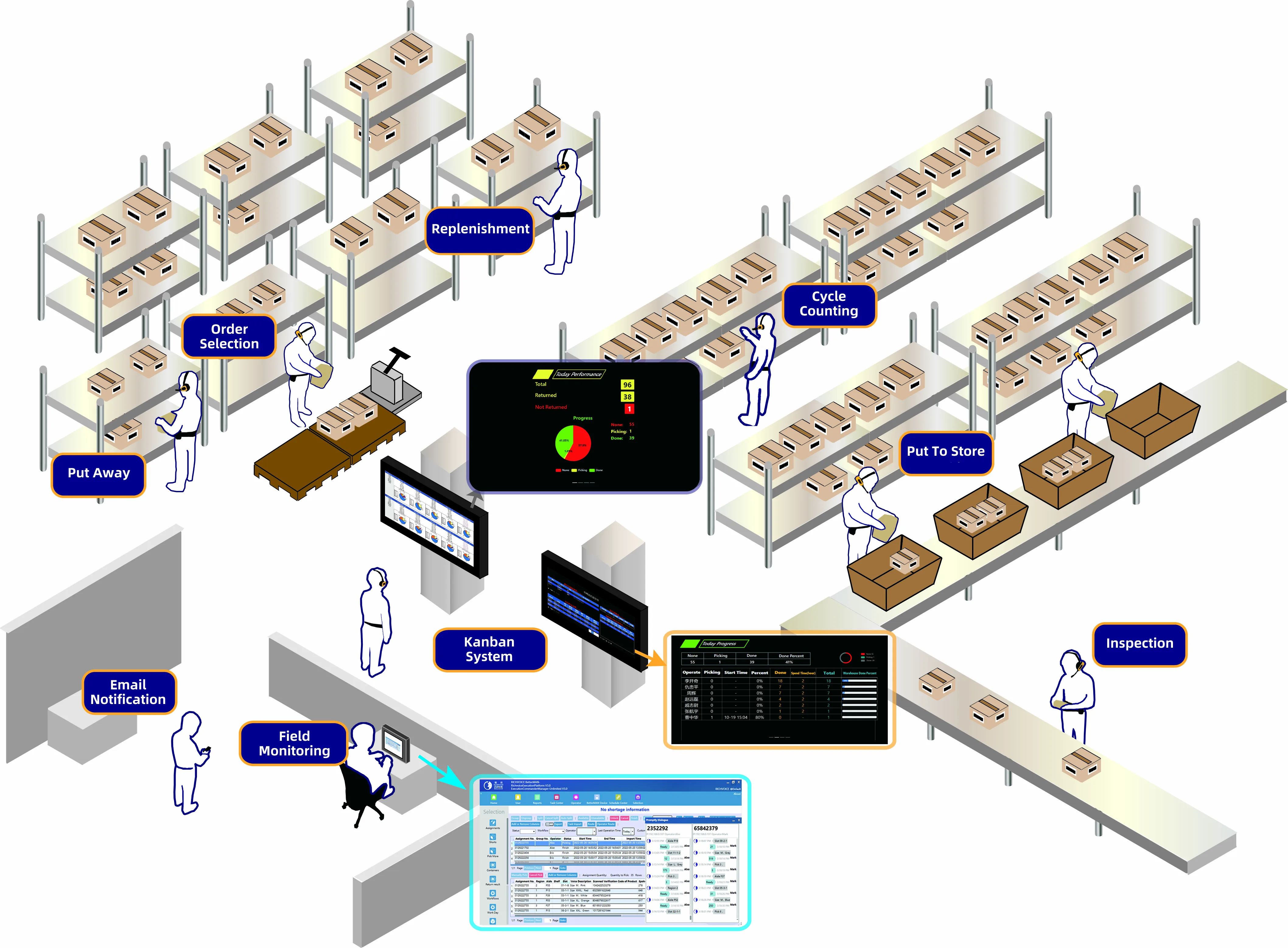
One voice layer, multiple workflows
BetterMAN turns system tasks into spoken instructions and captures worker confirmations in real time. The same execution layer can support several warehouse processes without forcing operators to look down at a screen for every step.
How it works
Receive work from the WMS, ERP, MES, WCS or a project-specific data interface.
Sequence work by operator, zone, order priority and operational rules.
Speak each step and validate locations, quantities or exceptions by voice.
Return confirmed results and use operational data to refine the workflow.
Warehouse workflows
Modules are selected and configured around the actual warehouse process.
Guide the operator to each location, confirm the check digit, item and quantity, then return the result.
Direct receiving or replenishment stock to the correct destination and confirm completion by voice.
Count without juggling a terminal and capture quantity or discrepancy confirmations as work happens.
Guide operators through order consolidation and sorting while keeping attention on the physical goods.
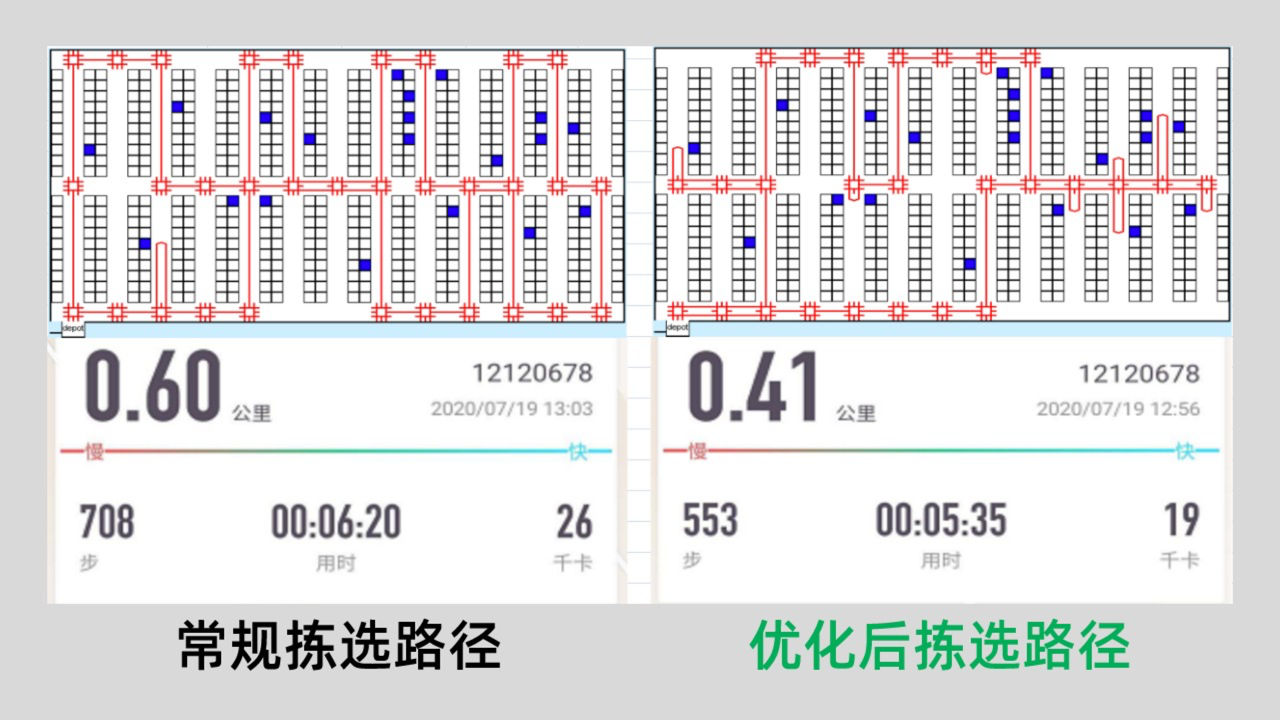
Sequence tasks to reduce unnecessary travel according to warehouse layout and operating rules.
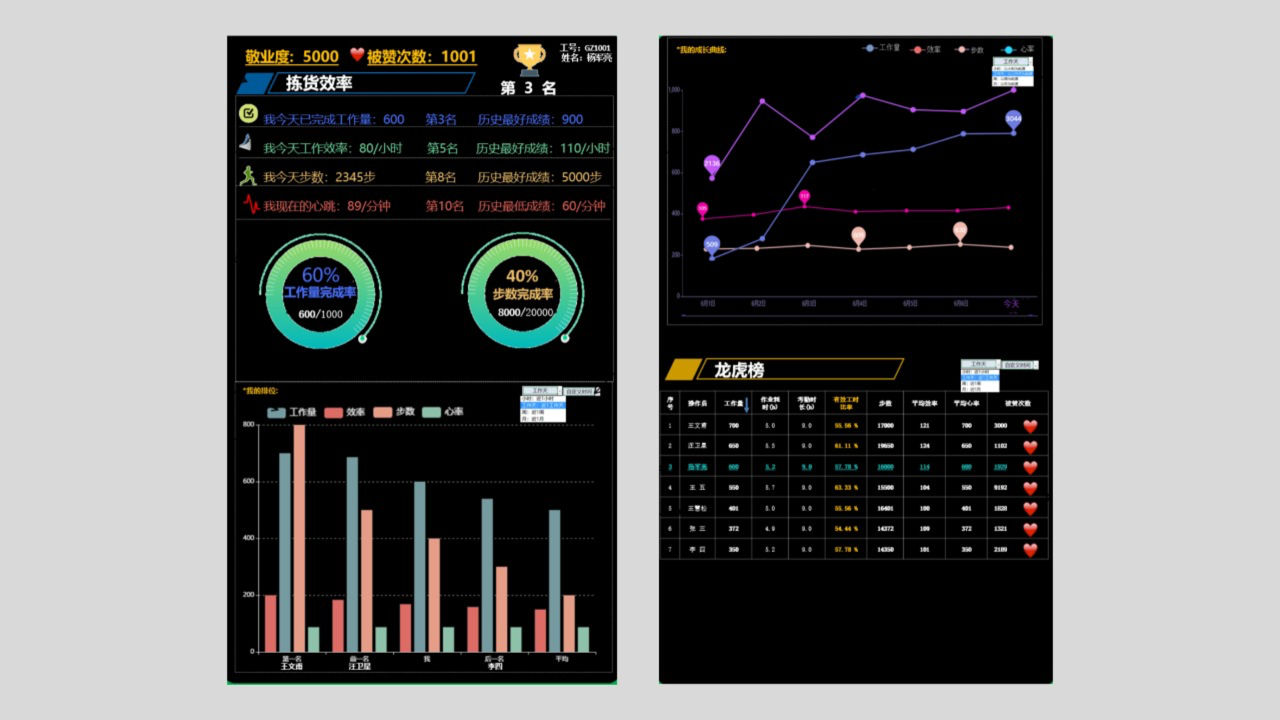
Track completion, exceptions and operator-level metrics to identify process improvement opportunities.
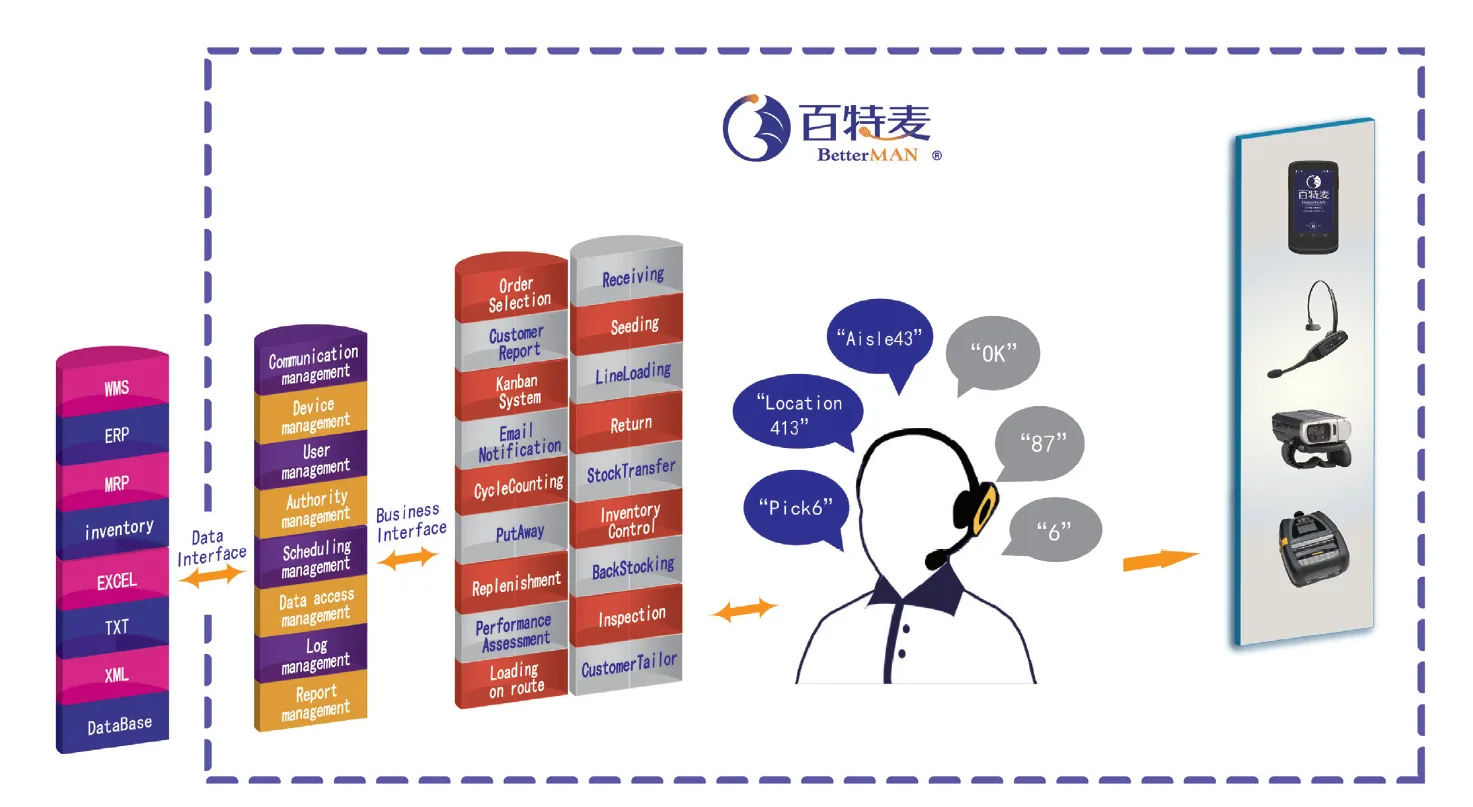
Integration and devices
BetterMAN can exchange tasks and confirmations with WMS, ERP, MES and WCS platforms through APIs, files, databases or project-specific interfaces. The integration design is confirmed during discovery rather than assumed to be plug-and-play.
Deployment experience
Examples of voice-directed warehouse projects delivered across different operating models.
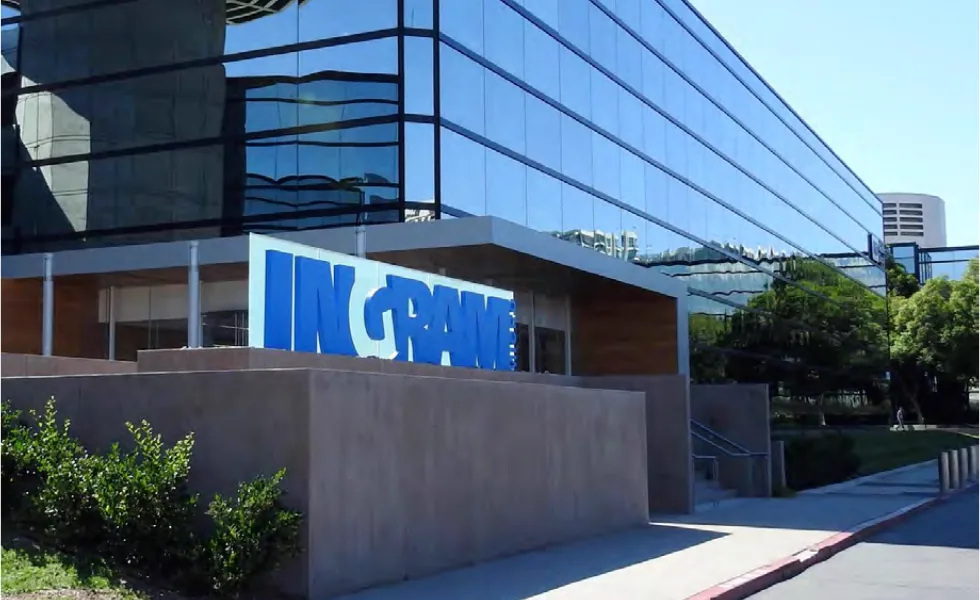
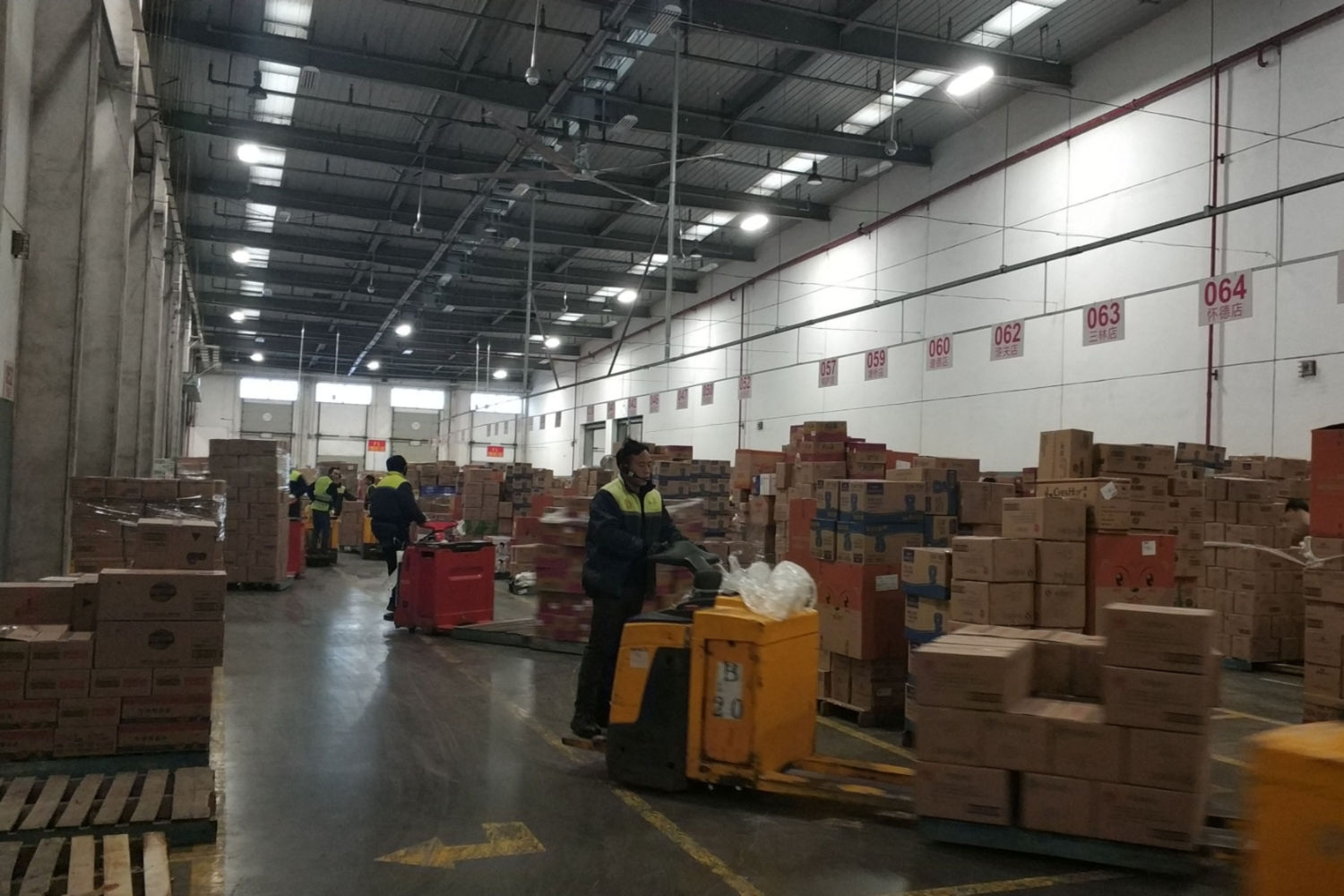
Voice-directed workflows were applied to distribution operations where speed, accuracy and system coordination are essential.
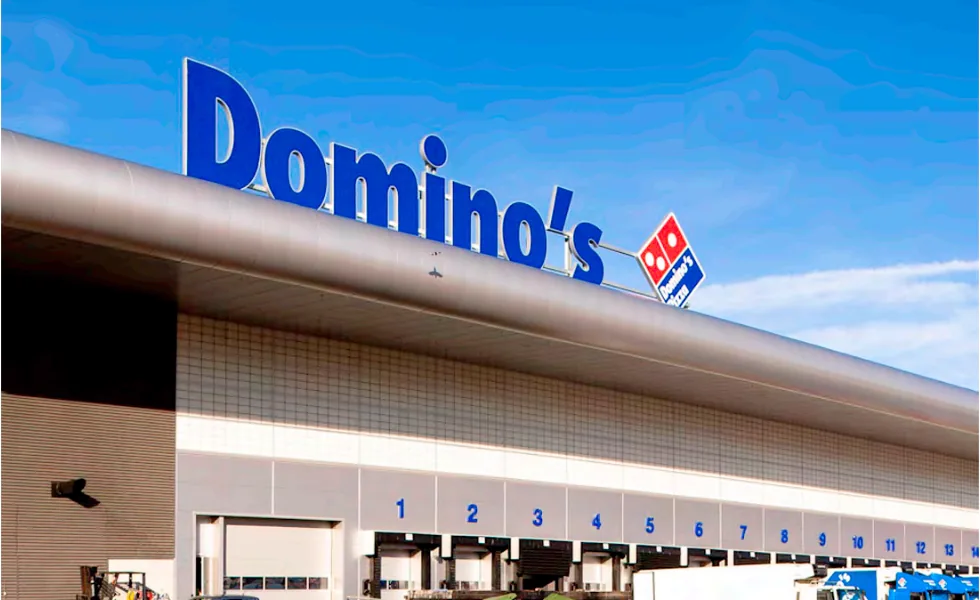
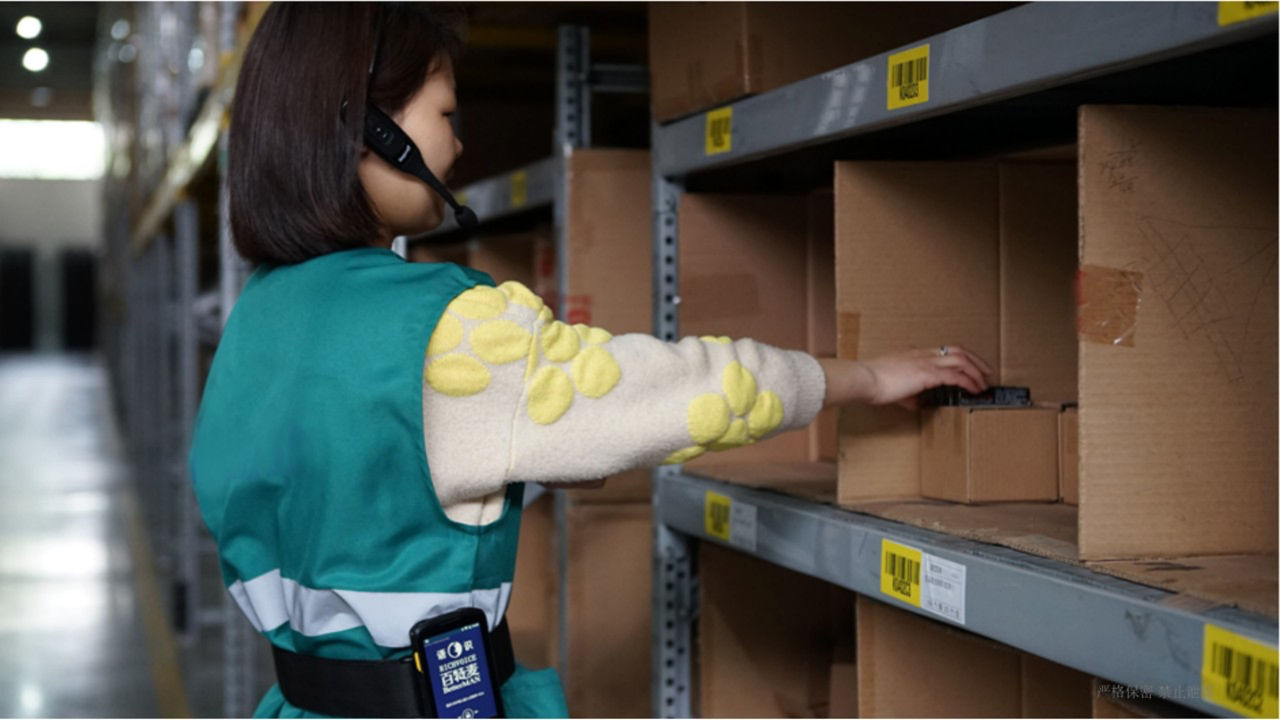
A food distribution environment used voice guidance to support repeatable warehouse execution under operational pressure.

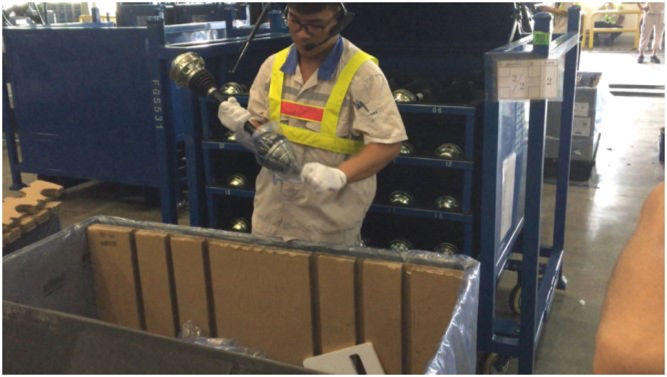
Voice-assisted warehouse processes helped operators work through system-directed tasks with fewer screen interactions.
Project scope, results and performance vary by facility, process design, system integration and baseline.
Practical questions
The interface can use APIs, files, databases or another project-specific method. We map task inputs, confirmations, exceptions and recovery behavior before confirming the scope.
The approach depends on language, acoustic environment and workflow. A pilot validates recognition with representative operators before wider rollout.
Coverage is confirmed for the exact project and terminology. Warehouse vocabulary, local accents and background noise should be tested with real users.
BetterMAN does not require one universal voice picking headset. Current projects focus on Android handheld or wearable terminals with suitable Bluetooth or wired industrial headsets; OS, audio quality, controls, battery life, hygiene and warehouse noise are verified during the pilot.
Timing depends on workflow complexity, interface readiness, device selection and acceptance criteria. We first define a narrow, measurable pilot.
Yes. It can be configured for replenishment, put-to-store, cycle counting, sorting, inspection and other system-directed warehouse tasks.
BETTERMAN PILOT REVIEW
Tell us about the target workflow, WMS or ERP, device and headset preferences, order profile and current performance baseline. We will help define a practical pilot scope.