Richvoice

AIDC+ Supply Chain Expert

Contact Us

Building 4, 5th floor, C01
889 YiShan Road
Xuhui District, Shanghai CHINA 200233
sales@richvoice.com
Edward:WhatsApp contact +86 133 0196 1202

About Us

All-in-one high-speed industrial vision platform

ALC CIS
Intelligent Camera System

Bring lens, lighting, acquisition and interface functions into one compact system so manufacturers can build stable barcode, surface, dimensional and continuous-web inspection stations with less integration work and more consistent imaging.

  • Supports barcode reading and verification, surface defect inspection, dimensional measurement, edge positioning, color imaging and special optical inspection tasks
  • Designed for barcode printing, photovoltaic, PCB, copper foil, fabric, film and other high-speed continuous material workflows
  • All-in-one architecture reduces cabling and tuning complexity, with Windows and Linux SDK support for faster integration

Typical goals: reduce camera-system complexity, improve image consistency, support high-speed inspection and lower miss-detection risk.

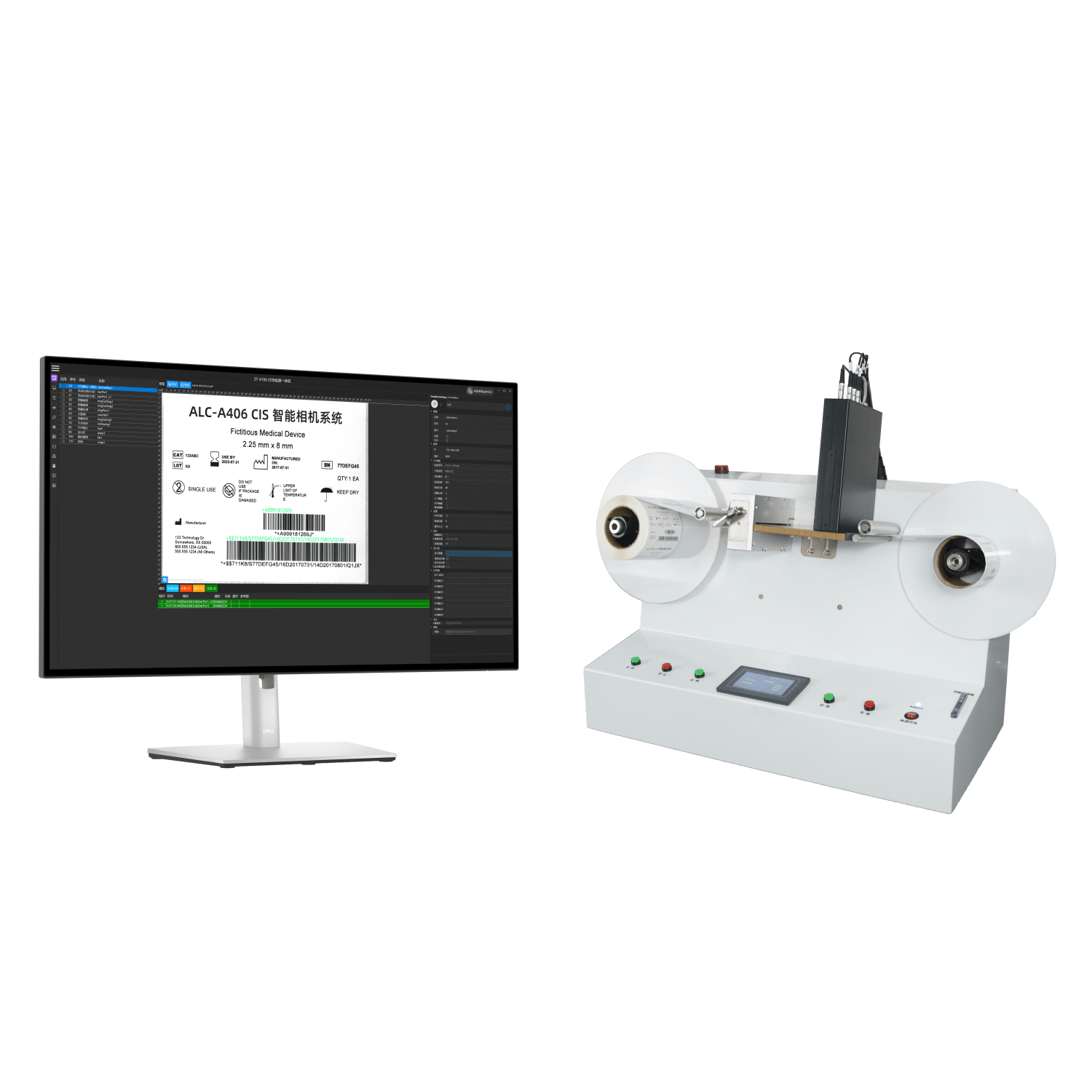
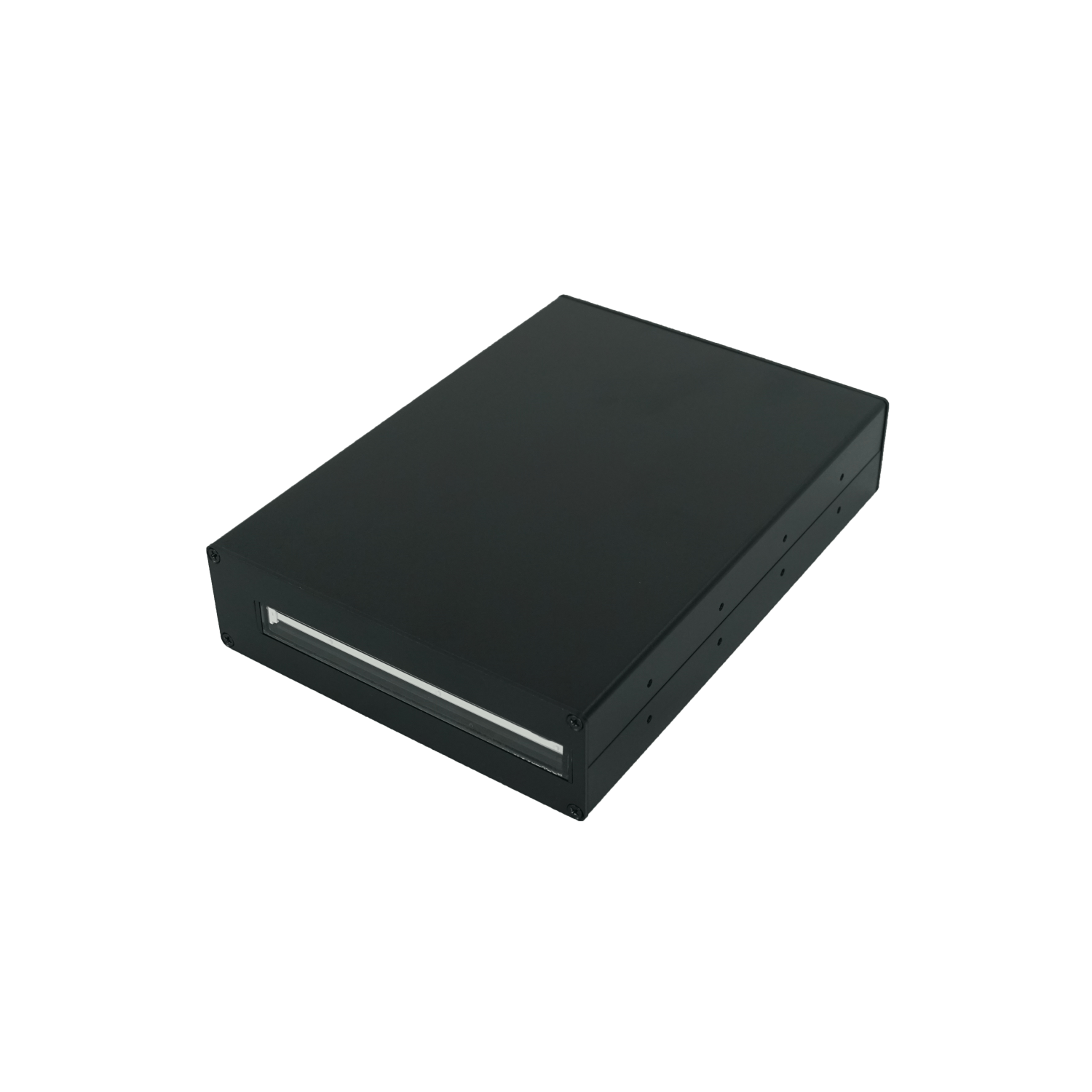
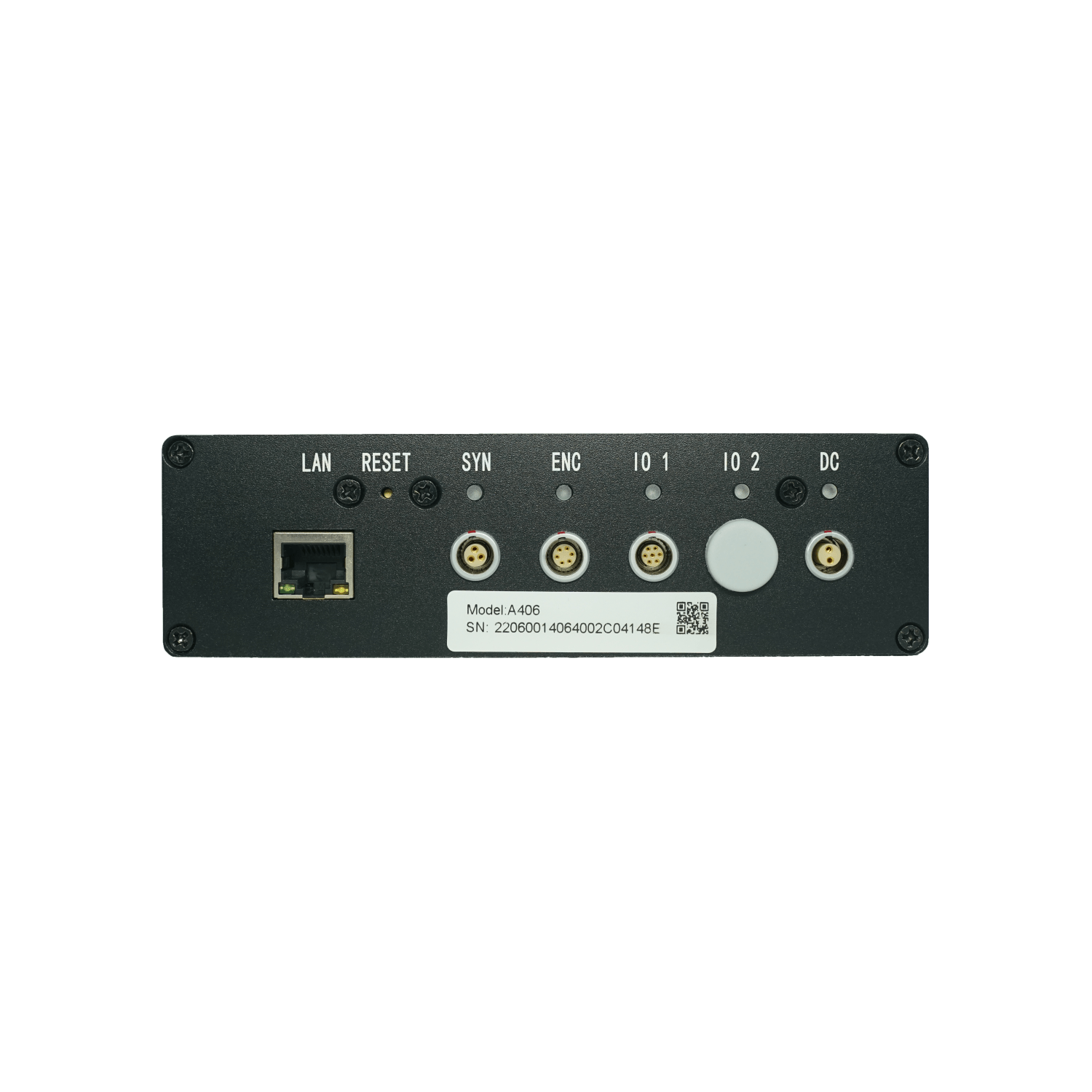
ALC CIS intelligent camera system product view 1
ALC CIS intelligent camera system product view 2
ALC CIS intelligent camera system product view 3
ALC CIS intelligent camera system thumbnail 1
ALC CIS intelligent camera system thumbnail 2
ALC CIS intelligent camera system thumbnail 3

Quick Overview

Why do many high-speed inspection lines prioritize ALC?

ALC is more than a replacement camera. It consolidates lens, lighting, acquisition and interface capabilities into one industrial vision unit, making deployment, tuning, image stability and space planning much easier to control.

For close-range distortion-free imaging, continuous-web scanning, surface defect inspection, barcode verification and dimensional measurement, ALC helps teams build stable and repeatable inspection stations much faster.

  • Reduce the complexity of selecting and integrating camera, lens, lighting and acquisition hardware separately
  • Use close-range 1:1 distortion-free imaging to improve dimensional, edge, surface and print-content inspection stability
  • Support high-speed continuous-web inspection so defects, contamination, wrong codes and abnormal textures can be caught on site
  • Make it easier to replicate deployment across barcode printing, photovoltaic, PCB, copper foil, fabric and film workflows

1:1 Distortion-Free Imaging

Better for dimensional, edge and surface inspection.

300m/min Scanning

Designed for high-speed continuous-web lines.

Multi-Head Up to 2m

Scales to wider inspection coverage.

SDK Ready

Supports Windows and Linux integration.

30-Minute Deployment

All-in-one structure reduces cabling and setup complexity for faster line deployment.

Stable Imaging

Close-range scanning is less sensitive to ambient light and glare, improving defect detection consistency.

Up to 2m Stitching

Expand inspection width through multi-head stitching for wider materials and surfaces.

300m/min

Supports high-speed continuous scanning for demanding production throughput.

Features

Key strengths of the ALC CIS intelligent camera system

All-in-one design

Integrates lens, lighting, camera and acquisition functions into one unit for installation in about 30 minutes.

Integrated light source

Built-in LED lighting helps reduce power consumption, extends service life and removes warm-up time.

Self-focusing cylindrical lens

Delivers 1:1 imaging between the object and sensor with minimal geometric distortion and high image fidelity.

Multi-head stitching

A-series cameras can be stitched together to cover wider inspection areas more easily.

Uniform illumination

Close-range scanning reduces uneven lighting and glare so defects are easier to reveal consistently.

Easy integration

Includes high-performance SDKs and sample code for both Windows and Linux integration.

Want to confirm whether ALC fits your material, width, speed and inspection goals?

We can help evaluate material type, web width, line speed, defect targets, installation space and software integration requirements to recommend the right ALC model and application setup.

Specifications and Mechanical Parameters

ALC offers resolutions from 300dpi to 1200dpi while combining high-speed scanning, close-range imaging and wide-width expansion through multi-head stitching.

ALC-A403 ALC-A406 ALC-A412
Scan width 108mm 108mm 108mm
Highest resolution 300dpi 600dpi 1200dpi
Pixel size 0.085mm 0.042mm 0.021mm
Maximum scanning line speed 100m/min 300m/min 300m/min
Camera lens Self-focusing cylindrical lens
Light source Built-in red, green and blue LED light source
Focal length 1±0.5mm
Line frequency 50KHz 30KHz 15KHz
Communication port Gigabit wired Ethernet
Communication protocol Dedicated SDK
IO input/output 2-way input/4-way output
Voltage output 5V/12V,3A
Supply voltage 12V/24V,3A
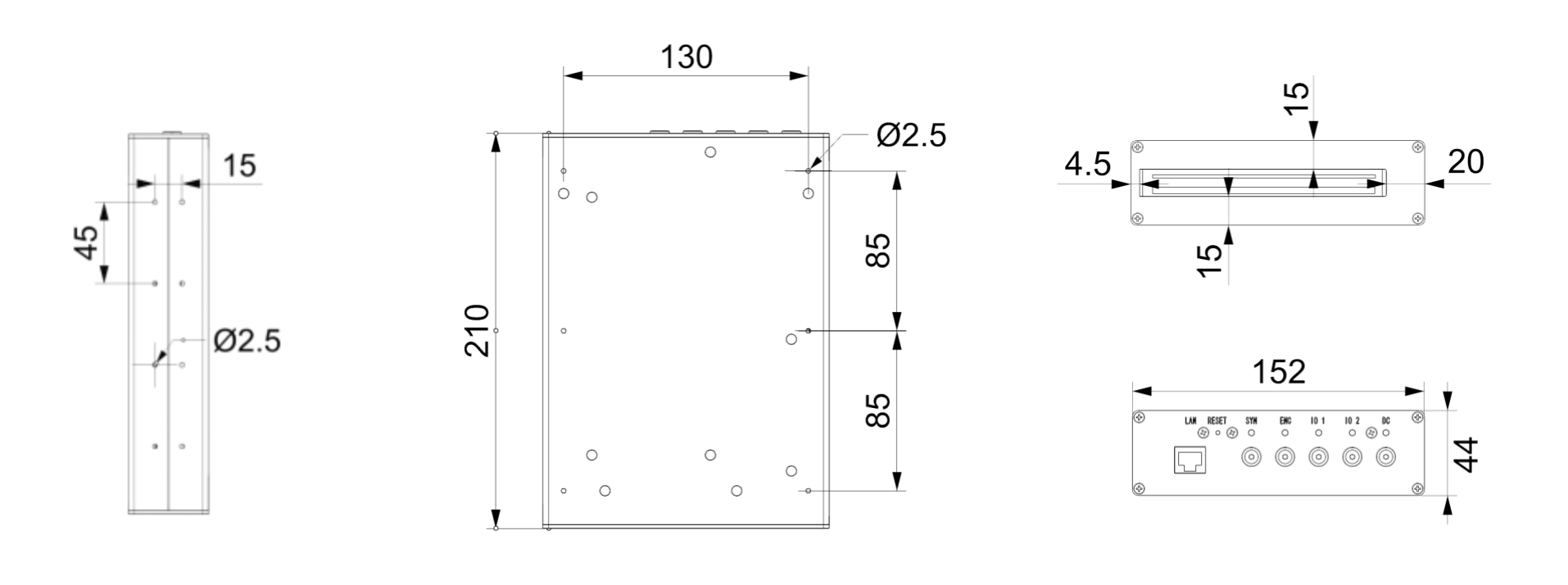
Size L*W*H 210mm * 152mm * 44mm
Work environment Temperature: 5-65 ℃, humidity: 10% - 90% rh, no condensation
Unit: mm ALC CIS intelligent camera system size diagram

Which inspection workflows should prioritize ALC first?

If you need stable, repeatable inline vision inspection in limited installation space, ALC is often easier to deploy than a traditional multi-component camera system.

01

Tight Installation Space

You want to reduce separate mounting of camera, lens, light source, acquisition card and brackets.

02

High-Speed Continuous Inspection

Material moves continuously at speed and inspection must keep pace without slowing production.

03

High Image Consistency

You need to reduce distortion, ambient light influence and glare for better defect and print-content detection.

04

Easy System Integration

You want fast connection to existing control systems, host software or inspection algorithms with lower development overhead.

Application Scenarios

ALC creates value not just by capturing images, but by helping different industries perform stable identification, inspection, positioning and quality judgment at production speed.

ALC barcode inspection application

Barcode detection field

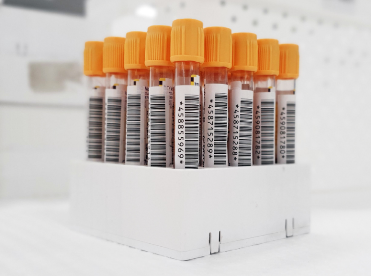
The most successful application in the identification field is the use of barcode. With the use of barcode, ensuring the readability of barcode and the correctness of content is the key issue facing enterprises. ALC can accurately identify and verify the readability and coding content of each barcode to ensure stable and reliable barcode identification in all key areas (retail, logistics, medical, manufacturing)

Discuss Barcode Inspection
ALC photovoltaic inspection application

Photovoltaic detection field

Global warming is a subject that mankind needs to face together. The use of new energy is an important way to solve the problem. The photovoltaic field will grow by a huge margin every year. The production process of photovoltaic equipment will face huge challenges of capacity and quality. Through the detection capability of ALC, it can help photovoltaic production enterprises to achieve quality improvement and reduce the cost of new energy use in the whole society

Discuss PV Inspection
ALC PCB inspection application

PCB detection field

The semiconductor industry is a national key development industry, which makes the quality control of China's semiconductor production more and more strict. The flow of unqualified products to the market brings huge tangible and intangible losses to semiconductor enterprises

Discuss PCB Inspection

Application Scenarios

From barcode inspection to photovoltaic and PCB inspection, ALC is best suited to lines that need image quality, compact installation, stable speed and repeatable deployment.

Barcode detection field

The most successful application in the identification field is the use of barcode. With the use of barcode, ensuring the readability of barcode and the correctness of content is the key issue facing enterprises. ALC can accurately identify and verify the readability and coding content of each barcode to ensure stable and reliable barcode identification in all key areas (retail, logistics, medical, manufacturing)

Discuss Barcode Inspection

Photovoltaic detection field

Global warming is a subject that mankind needs to face together. The use of new energy is an important way to solve the problem. The photovoltaic field will grow by a huge margin every year. The production process of photovoltaic equipment will face huge challenges of capacity and quality. Through the detection capability of ALC, it can help photovoltaic production enterprises to achieve quality improvement and reduce the cost of new energy use in the whole society

Discuss PV Inspection

PCB detection field

The semiconductor industry is a national key development industry, which makes the quality control of China's semiconductor production more and more strict. The flow of unqualified products to the market brings huge tangible and intangible losses to semiconductor enterprises

Discuss PCB Inspection

Success Cases

ALC creates value not by adding one more camera, but by delivering more stable inspection, easier deployment and better-fit imaging for continuous production environments.

Fewer Integration Steps

Reduce the setup complexity of separately mounted lens, lighting and acquisition components.

More Stable Inline Inspection

Built for high-speed continuous material lines that require consistent image capture.

Easier Replication

Deployment experience is easier to reuse across lines, materials and inspection tasks.

FAQ

CIS stands for Contact Image Sensor. Light emitted from the LED source reflects from the scanned object, passes through the self-focusing cylindrical lens, and is focused onto the photosensitive array. The array converts the optical signal into an electrical signal, which is amplified, processed by the acquisition circuitry and reconstructed into a complete image.

The biggest advantage of ALC is its all-in-one architecture. It integrates a typical camera system into one compact unit, including the CMOS photosensitive element, LED light source, rod lens array, FPGA acquisition hardware, Gigabit Ethernet interface and external IO trigger interface.

ALC is available in single-head widths of 54mm and 108mm. Through multi-head stitching, the system can be expanded to cover widths up to 2 meters.

Inspection speed depends on the task and inspection content, but typical ALC deployments can reach up to 300m/min.

Put ALC to work on your visual inspection challenge
with a deployment plan built around your line and material

Contact Experts